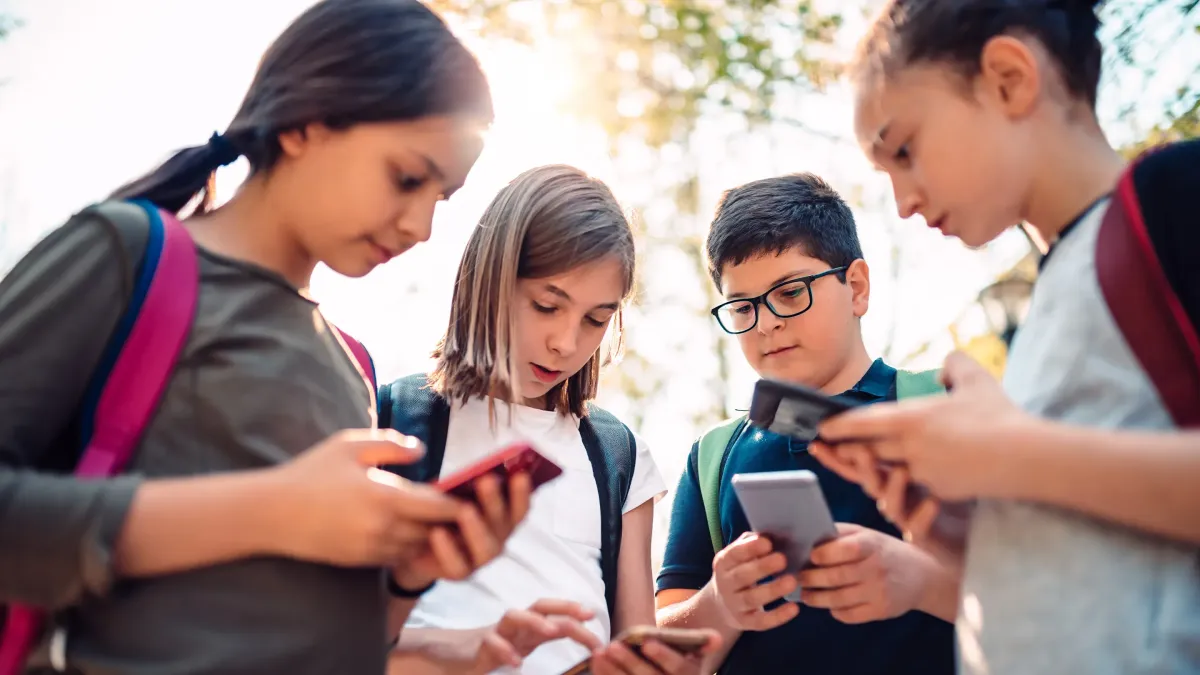
The Impact of Social Media on Student Learning and Classroom Behavior
Frequently Asked Questions About Social Media and Student Learning:
How does social media affect student learning?
Social media can enhance learning by granting easy access to educational resources and fostering collaboration. But when misused, it can distract students, reduce focus, and negatively impact academic performance.
Can social media improve classroom behavior?
Yes and no. Social media can encourage positive communication and engagement in class activities, but it can also lead to distractions and even cyberbullying, which harm classroom dynamics.
Does social media have an impact on student mental health?
Extensive use of social media might increase stress, anxiety, and feelings of isolation among students due to comparison and cyberbullying. Balanced use and guidance are key.
How can teachers leverage social media to benefit student learning?
Teachers can use platforms to share resources, communicate with students, encourage discussions, and promote collaborative projects — all boosting engagement and learning outcomes.
What should parents and educators do to manage social media’s impact?
Setting usage boundaries, promoting responsible digital citizenship, and fostering open communication help ensure social media is a tool for learning—not a hindrance.
Navigating the Social Media Classroom
There’s no denying it: social media is part of everyday life for students around the world. From TikTok trends to Instagram study groups, social media influences how students communicate, access information, and behave both inside and outside the classroom.
This influence can be a double-edged sword. On one hand, it offers exciting opportunities for collaboration and learning; on the other, it poses challenges regarding attention, discipline, and mental well-being.
Curious about how social media shapes student learning and classroom behavior? Let’s unpack the evidence, explore the pros and cons, and share strategies for navigating this digital frontier effectively.
How Social Media Benefits Student Learning
Access to a World of Knowledge
Platforms like YouTube, Instagram, and Twitter provide students with instant access to educational videos, tutorials, and discussions — expanding learning beyond textbooks. For example, a student stuck on a math problem can easily find step-by-step guides or community help online.
Enhancing Collaboration and Communication
Social media helps students connect beyond classroom walls. Group chats on WhatsApp or collaborative boards on Google Classroom make it easy for students to organize projects, share resources, and discuss questions anytime, anywhere.
Building Digital Literacy
Living in a digital-first world means digital literacy is vital. By navigating social media, students learn important skills such as evaluating online sources, creating content, and practicing responsible digital behavior — critical for school and future careers.
Encouraging Motivational Learning
Engagement can be boosted through interactive content like quizzes, polls, and educational challenges shared on social media. Gamified learning experiences on platforms like Kahoot, often shared via social media, keep students motivated and attentive.
The Challenges: Social Media’s Downside in Learning and Behavior
Distractions That Break Focus
It's easy for students to get sidetracked by notifications, scrolling feeds, or viral videos — even during study time or lessons. These interruptions can disrupt concentration and reduce time spent on important academic work.
Negative Classroom Behavior
When not properly managed, social media can cultivate distractions during class or provoke conflicts. Cyberbullying, exclusion, and peer pressure online may spill into classroom environments, disrupting learning and causing emotional distress.
Impact on Mental Health
Constant exposure to idealized representations and social comparisons on social media can reduce students' self-esteem and increase anxiety. Additionally, excessive screen time can negatively affect sleep patterns and motivation.
What Research Says About Social Media and Learning
Recent studies show that moderate, purposeful use of social media and technology enhances learning outcomes. For instance, students who use educational content online tend to perform better academically.
Conversely, excessive or unfocused social media use correlates with lower test scores and engagement. The key is how students use social media — whether they engage with meaningful educational content or distractions.
Best Practices to Harness Social Media for Better Learning and Behavior
Set Clear Boundaries Around Usage
Help students and parents create schedules that balance social media and offline activities. Encourage device-free zones during homework or family meals to reduce distractions.
Promote Responsible Digital Citizenship
Teach students how to recognize reliable sources, respect others online, and report harmful behavior. These habits build safer learning environments.
Use Social Media as a Learning Tool
Educators can create class pages, share curated content, and foster interactive discussions online. Encourage group projects that use digital collaboration tools to promote teamwork.
Monitor and Support Mental Well-being
Stay alert for signs of social media-related anxiety or bullying, and provide resources for emotional support. Encourage open conversations about digital challenges.
Navigating Social Media in Education with Balance and Purpose
Social media’s influence on student learning and classroom behavior is complex. Used thoughtfully, it can unlock new pathways for education and engagement. But unchecked, it risks distracting students and impacting mental health.
As educators, parents, and students, we must embrace balanced strategies that maximize social media’s benefits while minimizing its drawbacks. Through clear boundaries, digital citizenship, and harnessing social media for meaningful learning, we can create classrooms—both virtual and physical—that inspire growth, creativity, and academic success.
Ready to Revolutionize Learning With Smart Social Media Use?
Whether you’re an educator seeking digital strategies or a parent aiming to support your child’s education, we’re here to help!
Contact us today to learn how to integrate social media into your educational environment effectively. Explore our blog for more expert insights or book a free consultation to discuss your goals!
Are you looking for Afterschool Programs or STEM camps or Robotic Clubs (VEX and First Lego League Clubs) in Eastside Seattle?
We have location in Redmond, Newcastle, Klahanie, Bothell, Bellevue.
Join Steamoji Belred+ Today!
Summer camps in Redmond, Summer camps in Klahanie, Summer camps in Bellevue, Summer camps in Bothell, Summer camps in Newcastle.
Winter camps in Redmond, Winter camps in Klahanie, Winter camps in Bellevue, Winter camps in Bothell, Winter camps in Newcastle.
Spring camps in Redmond, Spring camps in Klahanie, Spring camps in Bellevue, Spring camps in Bothell, Spring camps in Newcastle.
coding camps in Redmond, coding camps in Klahanie, coding camps in Bellevue, coding camps in Bothell, coding camps in Newcastle.
game design camps in Redmond, game design camps in Klahanie, game design camps in Bellevue, game design camps in Bothell, game design camps in Newcastle.
afterschool program in Redmond, afterschool program in Klahanie, afterschool program in Bellevue, afterschool program in Bothell, afterschool program in Newcastle.


