Project-Based Learning Ideas for STEAM Classrooms
Common Questions:
1: What is project-based learning (PBL) in the context of STEAM?
Project-based learning is a teaching method where students actively explore real-world problems and challenges through hands-on projects that integrate Science, Technology, Engineering, the Arts, and Mathematics (STEAM). It encourages critical thinking, creativity, and collaboration.
2: Why is PBL effective for STEAM education?
PBL makes abstract STEAM concepts tangible and relevant. By working on meaningful projects, students develop 21st-century skills like problem-solving, teamwork, and communication, while deepening their understanding of core academic content.
3: What are some examples of STEAM PBL activities?
Examples include designing sustainable gardens, building model bridges, creating community murals, coding simple robots, and developing solutions for local environmental issues. These projects allow students to apply interdisciplinary knowledge in authentic contexts.
4: How can teachers implement PBL in their STEAM classrooms?
Start with a driving question or real-world challenge, organize students into collaborative teams, and guide them through research, design, creation, and presentation phases. Incorporate reflection and feedback to maximize learning outcomes.
5: What resources are available for STEAM PBL?
Numerous online platforms, educational blogs, and curriculum guides provide ready-to-use project ideas, lesson plans, and assessment tools for STEAM PBL. See our resource section for curated links.
Why STEAM PBL Transforms Learning?
Imagine a classroom buzzing with excitement as students design eco-friendly playgrounds, code interactive stories, or engineer bridges from everyday materials. This is the power of project-based learning (PBL) in STEAM classrooms—a dynamic approach that bridges theory and practice, igniting curiosity and preparing students for the challenges of tomorrow.
STEAM (Science, Technology, Engineering, Arts, and Mathematics) education is more than a trend; it’s a proven method to nurture well-rounded, innovative thinkers. When combined with PBL, it empowers students to take ownership of their learning, develop essential life skills, and see the real-world impact of their work.
What Makes PBL Unique in STEAM?
Interdisciplinary Approach: Integrates multiple subjects, reflecting how problems are solved in the real world.
Student-Centered: Shifts the focus from teacher-led instruction to student-driven discovery.
Real-World Relevance: Connects classroom learning to local and global challenges.
Skill Development: Fosters creativity, critical thinking, collaboration, and communication.
Top Project-Based Learning Ideas for STEAM Classrooms
1. Sustainable School Garden
Overview: Students design and build a garden that supports local biodiversity and promotes sustainability.
STEAM Connections:
Science: Study plant life cycles, ecosystems, and environmental impact.
Technology: Use sensors to monitor soil moisture or create digital garden maps.
Engineering: Design irrigation systems and garden layouts.
Arts: Create signage, garden art, or educational materials.
Math: Calculate area, budget, and resource allocation.
Implementation Tips:
Partner with local horticulturists or environmental organizations.
Encourage students to present their garden plan to school administrators.
2. Model Bridge Engineering
Overview: Challenge students to design, build, and test model bridges using everyday materials.
STEAM Connections:
Science & Engineering: Apply physics principles and engineering design processes.
Math: Measure, calculate load capacity, and analyze structural efficiency.
Technology: Use simulation software to test designs.
Arts: Focus on aesthetics and creative design elements.
Implementation Tips:
Host a bridge-building competition.
Invite local engineers for feedback and judging.
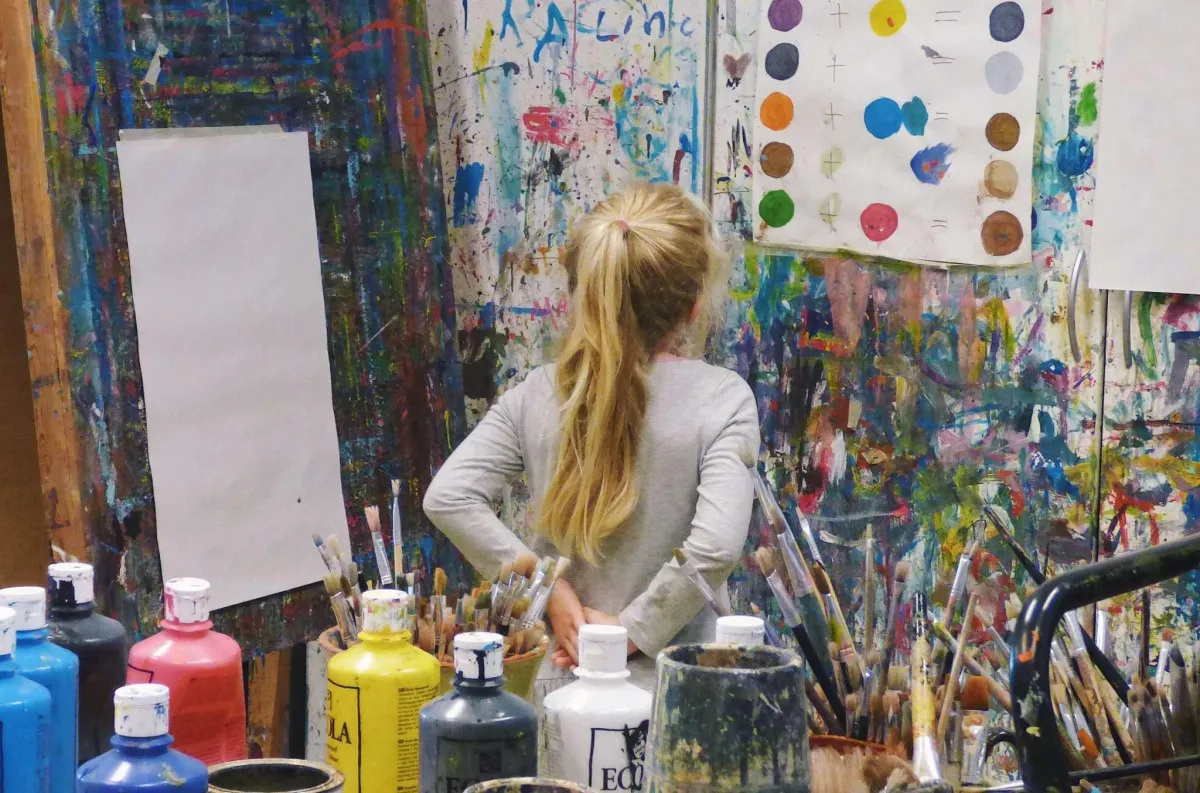
3. Community Mural Project
Overview: Facilitate a public art project that involves planning, budgeting, and collaboration.
STEAM Connections:
Arts: Lead the creative process from concept to execution.
Math: Measure wall space, calculate costs, and manage a budget.
Technology: Use digital tools for design mockups.
Science: Select weather-resistant materials and study color theory.
Implementation Tips:
Involve community stakeholders for real-world impact.
Document the process with photos and student reflections.
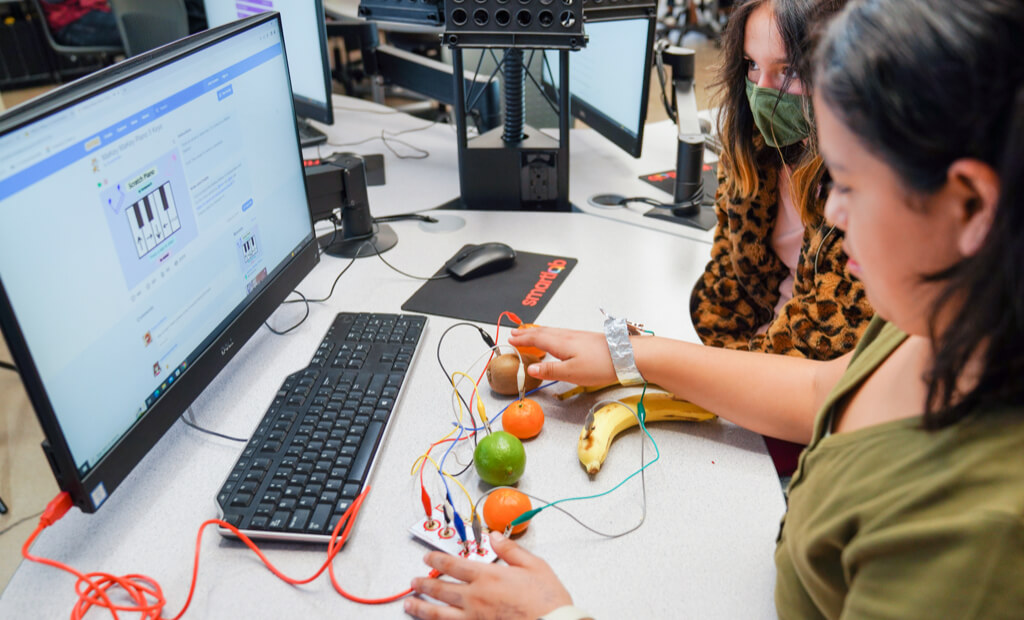
4. Robotics for Real-World Problems
Overview: Students build simple robots to solve practical challenges, such as sorting recyclables or assisting with classroom tasks.
STEAM Connections:
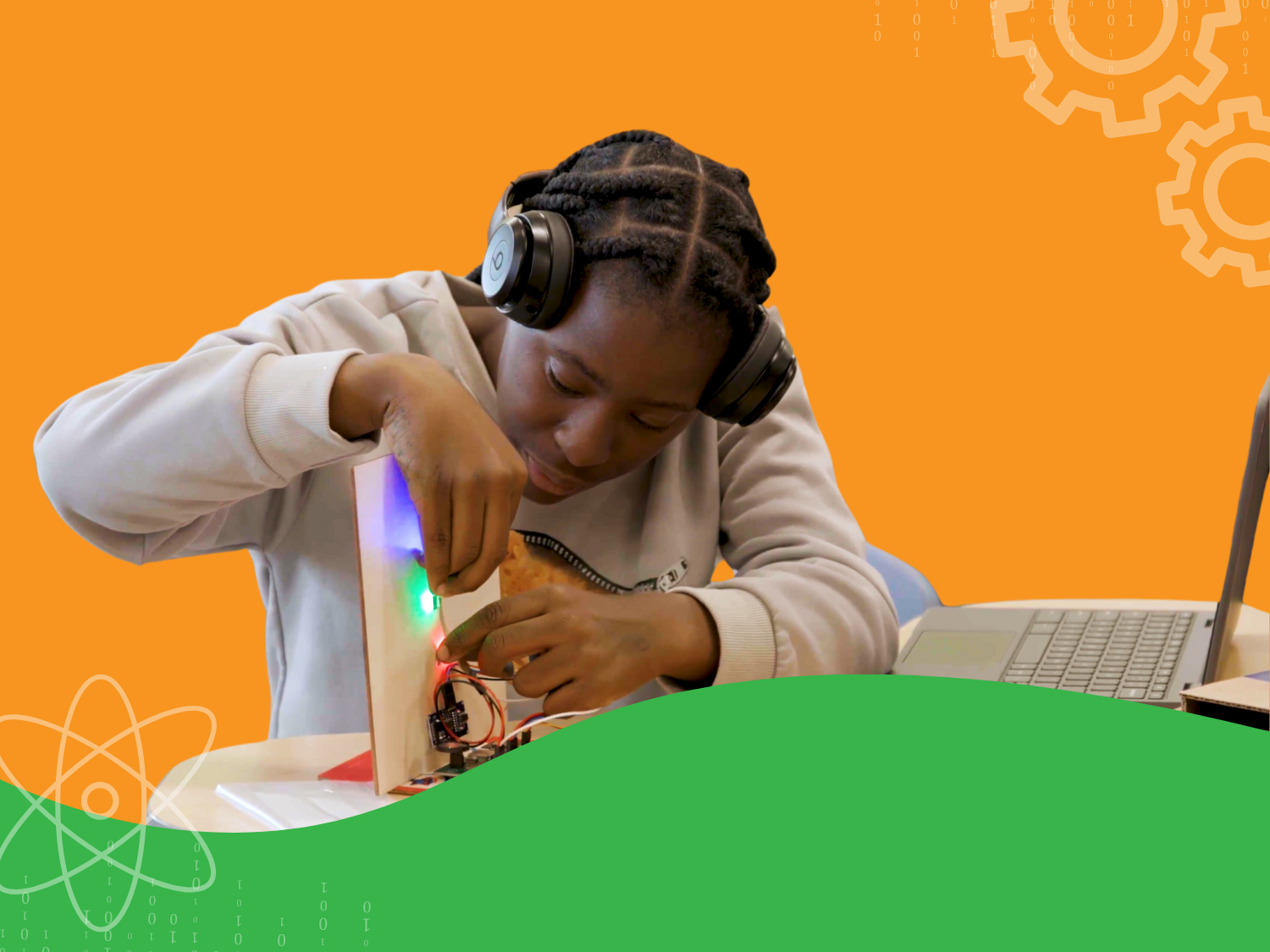
Technology & Engineering: Hands-on coding and mechanical design.
Math: Program movement and analyze performance data.
Science: Explore sensors, circuits, and energy transfer.
Arts: Design robot exteriors and create presentations.
Implementation Tips:
Use platforms like Arduino or LEGO for accessible robotics kits.
Encourage students to iterate and improve their designs.
5. Future STEAM Careers Inquiry
Overview: Students research emerging STEAM careers and create projects envisioning jobs of the future.
STEAM Connections:
Science & Technology: Investigate trends like AI, renewable energy, or biotechnology.
Arts: Develop creative presentations or videos.
Math: Analyze data on job growth and required skills.
Engineering: Propose solutions for future challenges.
Implementation Tips:
Invite guest speakers from innovative industries.
Host a “Future Careers Fair” where students present their findings.
How to Design Effective STEAM PBL Experiences:
a. Start with a Driving Question
Craft open-ended, real-world questions that spark curiosity. Example: “How can we reduce our school’s carbon footprint?”
b. Scaffold the Process
Break projects into manageable phases: research, design, build, test, and reflect. Provide checklists and timelines to keep students on track.
c. Foster Collaboration
Organize students into diverse teams. Use digital tools like Padlet or Flipgrid to facilitate brainstorming and peer feedback.
d. Integrate Assessment
Use rubrics that assess both the process (collaboration, problem-solving) and the final product. Include opportunities for self and peer assessment.
STEAM PBL Success:
Project-based learning in STEAM classrooms transforms traditional instruction into a vibrant, student-centered experience. By integrating science, technology, engineering, arts, and mathematics through hands-on projects, educators can foster innovation, critical thinking, and real-world problem-solving skills. Start with compelling questions, scaffold learning, encourage collaboration, and leverage both internal and external resources to maximize impact. Whether you’re new to PBL or looking to refresh your approach, these ideas and strategies will help you create meaningful learning experiences that inspire and empower your students.
Ready to bring project-based learning to your STEAM classroom?
Contact our team for a personalized demo, explore our curated resource library, or read more about innovative teaching strategies on our blog. Let’s inspire the next generation of creators, thinkers, and leaders—one project at a time!
Are you looking for Afterschool Programs or STEM camps or Robotic Clubs (VEX and First Lego League Clubs) in Eastside Seattle?
We have location in Redmond, Newcastle, Klahanie, Bothell, Bellevue.
Join Steamoji Belred+ Today!
Summer camps in Redmond, Summer camps in Klahanie, Summer camps in Bellevue, Summer camps in Bothell, Summer camps in Newcastle.
Winter camps in Redmond, Winter camps in Klahanie, Winter camps in Bellevue, Winter camps in Bothell, Winter camps in Newcastle.
Spring camps in Redmond, Spring camps in Klahanie, Spring camps in Bellevue, Spring camps in Bothell, Spring camps in Newcastle.
coding camps in Redmond, coding camps in Klahanie, coding camps in Bellevue, coding camps in Bothell, coding camps in Newcastle.
game design camps in Redmond, game design camps in Klahanie, game design camps in Bellevue, game design camps in Bothell, game design camps in Newcastle.
afterschool program in Redmond, afterschool program in Klahanie, afterschool program in Bellevue, afterschool program in Bothell, afterschool program in Newcastle.


