Integrating Arts into STEM: Benefits and Strategies
Questions:
1. What does integrating arts into STEM mean?
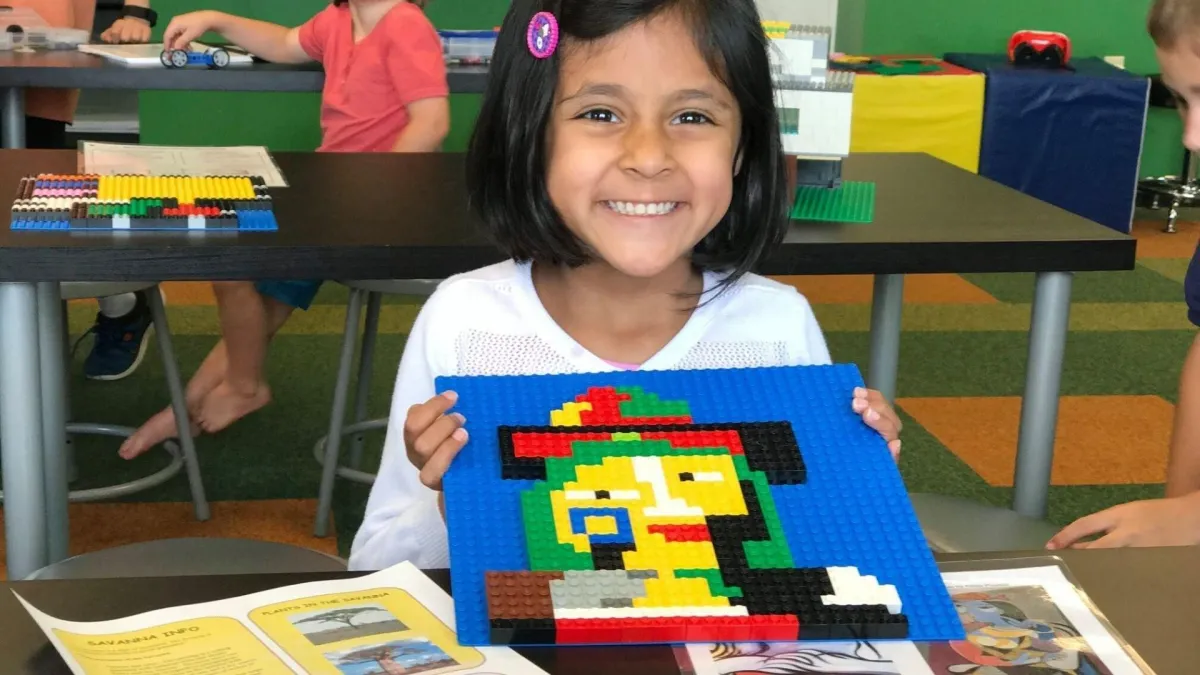
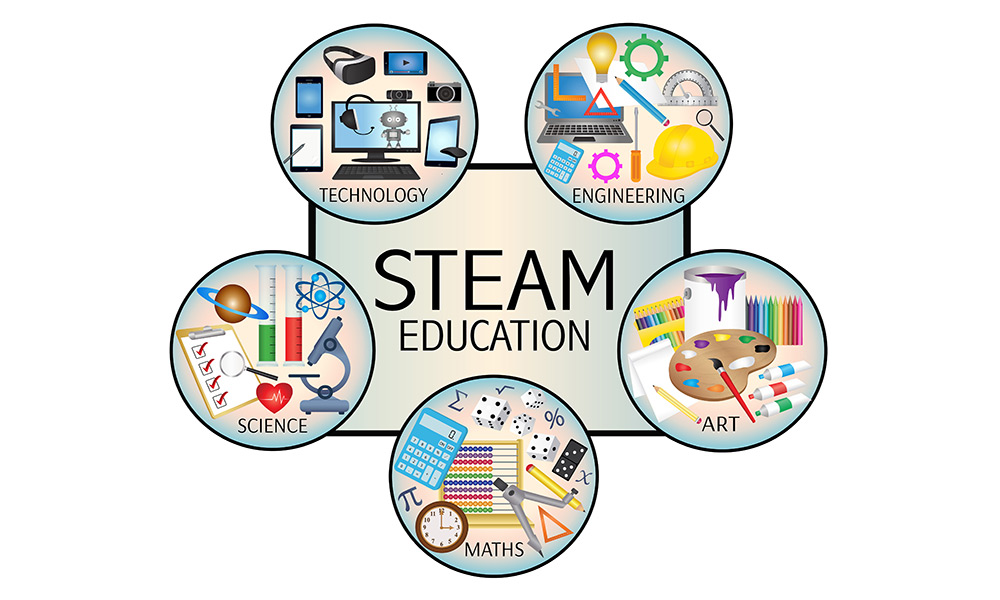
Integrating arts into STEM (Science, Technology, Engineering, and Mathematics) means combining creative disciplines like visual arts, music, and literature with STEM subjects to foster a more holistic learning experience, often referred to as STEAM education.
2. Why is arts integration important in STEM education?
Arts integration enhances creativity, problem-solving, and critical thinking skills, making STEM learning more engaging and accessible to diverse learners. It helps students develop innovative approaches and better communication skills essential in STEM fields.
3. What are the main benefits of STEAM education?
STEAM education encourages creativity, empathy, collaboration, and risk-taking, which strengthen cognitive skills and emotional intelligence. It also broadens student engagement and prepares them for future careers requiring both analytical and creative thinking.
4. How can schools effectively integrate arts into STEM curricula?
Schools can incorporate arts through elective classes, co-curricular activities, project-based learning, and interdisciplinary lesson plans that combine artistic expression with scientific inquiry and technology use.
5. Are there challenges to integrating arts into STEM?
Yes, challenges include ambiguity in defining “arts” within STEM, potential reduction of standalone art classes, and the need for more empirical evidence on the direct impact of arts on STEM comprehension. However, the benefits often outweigh these concerns.
In today’s rapidly evolving world, the demand for innovative thinkers who can approach problems creatively is higher than ever. Traditional STEM education, while critical, often focuses on analytical and convergent thinking. By integrating arts into STEM—transforming it into STEAM—we unlock a powerful synergy that nurtures creativity, empathy, and holistic problem-solving skills. This blog explores the benefits of this integration and offers actionable strategies for educators, institutions, and policymakers to enrich STEM education with the arts.
The Benefits of Integrating Arts into STEM
1. Enhancing Creativity and Innovation
Arts integration fosters creative thinking, a core skill in STEM professions. Studies show that students exposed to arts within STEM education develop a greater propensity for innovation, thinking beyond conventional boundaries to discover novel solutions. This creative approach complements the analytical rigor of STEM, resulting in a well-rounded skill set.
2. Improving Problem-Solving Skills
The arts teach students to approach problems from multiple perspectives. This divergent thinking enhances their ability to tackle complex STEM challenges with flexibility and critical insight. For example, engaging in artistic activities encourages experimentation and risk-taking, which are vital for scientific discovery and technological advancement.
3. Increasing Student Engagement and Diversity
Integrating arts into STEM caters to diverse learning styles, making STEM fields more accessible and appealing to a broader student population.Artistic elements can engage students who might otherwise feel disconnected from traditional STEM subjects, thereby promoting inclusivity and expanding the future STEM workforce.
4. Developing Communication and Empathy
Effective communication is crucial in STEM fields, where complex concepts must be conveyed clearly. Arts integration enhances students’ communication skills and fosters empathy, encouraging them to consider the societal impact of technology and science. This holistic perspective is essential for responsible innovation.
Strategies for Effective Arts Integration in STEM Education:
1. Curriculum Design and Interdisciplinary Projects
Develop curricula that blend artistic disciplines with STEM subjects. For instance, biology lessons can include art-based activities such as role-playing neurological disorders, helping students internalize complex concepts through creative expression. Project-based learning that combines coding with digital art or engineering with design thinking exemplifies this approach.
2. Offering Electives and Co-Curricular Activities
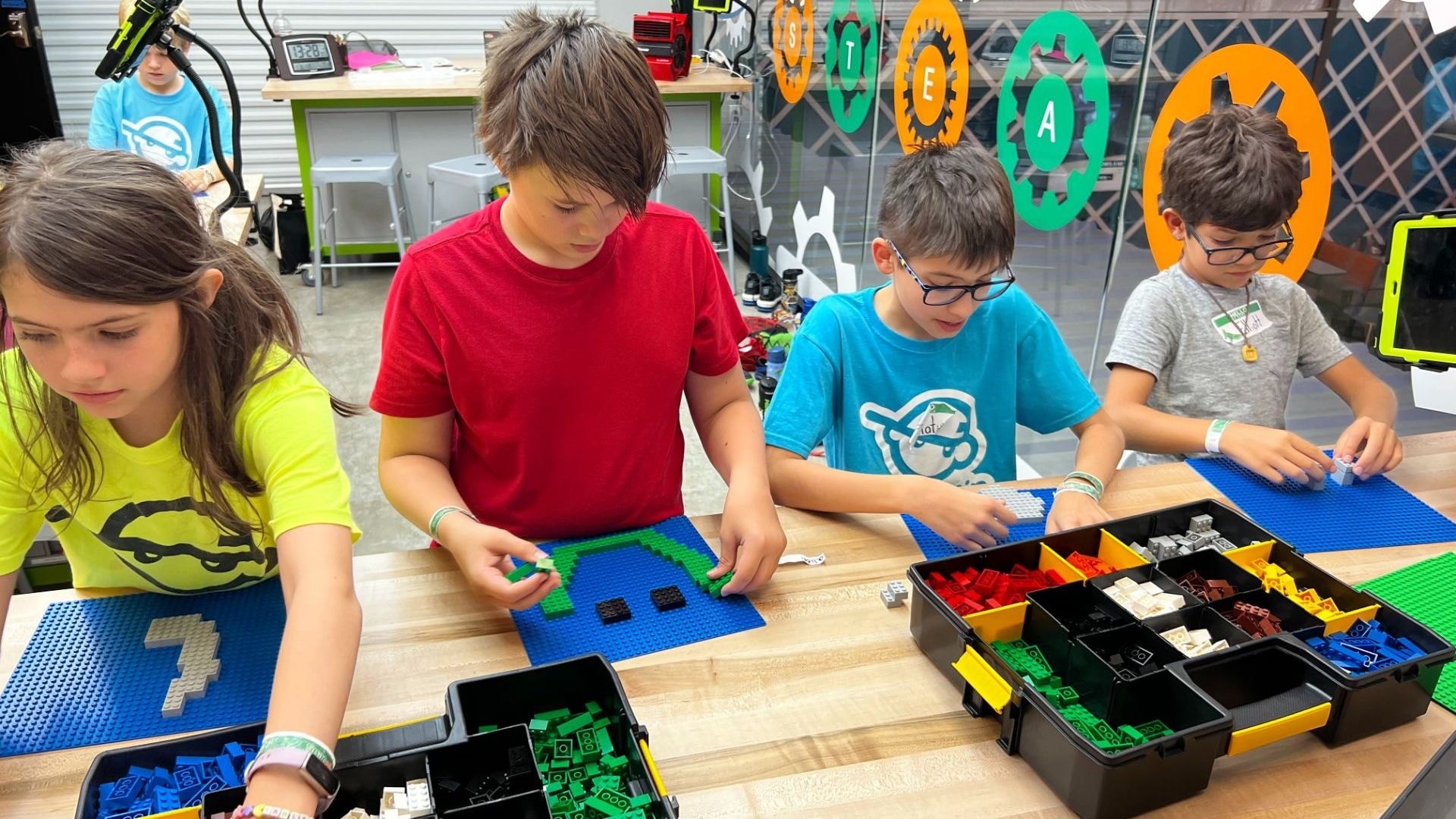
Schools can provide elective classes and clubs focused on arts within STEM contexts, such as literary magazines, art and design clubs, or music societies. These opportunities allow students to explore the intersection of arts and STEM outside traditional classroom settings.
3. Professional Development for Educators
Equip teachers with training to integrate arts into STEM effectively. This includes workshops on interdisciplinary teaching methods and collaborative lesson planning that encourages creativity alongside scientific inquiry.
4. Leveraging Technology for Artistic Expression
Use technology platforms that enable students to create and share artistic work, such as digital design tools or multimedia storytelling apps. This not only enhances artistic skills but also demonstrates how STEM can amplify artistic impact.
5. Community and Industry Partnerships
Collaborate with local arts organizations, museums, and tech companies to provide students with real-world experiences that highlight the synergy between arts and STEM. Such partnerships can offer mentorship, internships, and exhibitions that reinforce learning.
Integrating arts into STEM education—forming STEAM—offers profound benefits: it cultivates creativity, enhances problem-solving, increases engagement, and develops essential communication and empathy skills. These advantages prepare students to meet the complex demands of the 21st century with innovative and human-centered solutions. By adopting strategic curriculum design, expanding elective opportunities, supporting educators, leveraging technology, and fostering partnerships, schools and institutions can successfully implement arts integration in STEM education.
Ready to transform your STEM programs with the power of the arts?
Contact us today to learn how our expert team can help you design and implement effective STEAM curricula that inspire creativity and innovation. Book a demo or explore our resources to start your journey toward a more engaging and inclusive STEM education.
Are you looking for Afterschool Programs or STEM camps or Robotic Clubs (VEX and First Lego League Clubs) in Eastside Seattle?
We have location in Redmond, Newcastle, Klahanie, Bothell, Bellevue.
Join Steamoji Belred+ Today!
Summer camps in Redmond, Summer camps in Klahanie, Summer camps in Bellevue, Summer camps in Bothell, Summer camps in Newcastle.
Winter camps in Redmond, Winter camps in Klahanie, Winter camps in Bellevue, Winter camps in Bothell, Winter camps in Newcastle.
Spring camps in Redmond, Spring camps in Klahanie, Spring camps in Bellevue, Spring camps in Bothell, Spring camps in Newcastle.
coding camps in Redmond, coding camps in Klahanie, coding camps in Bellevue, coding camps in Bothell, coding camps in Newcastle.
game design camps in Redmond, game design camps in Klahanie, game design camps in Bellevue, game design camps in Bothell, game design camps in Newcastle.
afterschool program in Redmond, afterschool program in Klahanie, afterschool program in Bellevue, afterschool program in Bothell, afterschool program in Newcastle.


