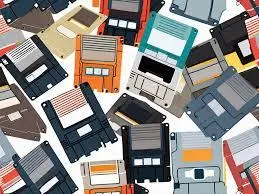
Historical Technology Comparisons: From Floppy Disks to the Cloud – A Fun, Nostalgic STEM Learning Journey
Frequently Asked Questions about Old vs. Modern Tech in STEM Lessons:
Q1: What can students learn by comparing technologies like floppy disks to modern storage?
Students discover how far we've come in data capacity, speed, and reliability. This historical context develops problem-solving skills and a deeper appreciation for advancements in STEM fields.
Q2: Are floppy disks still relevant to today’s STEM curriculum?
While floppy disks aren’t used in modern tech, they serve as engaging teaching tools for understanding the evolution of data storage, the concept of obsolescence, and the importance of innovation.
Q3: How do old tech artifacts make lessons more engaging?
Physical interaction with items like floppy disks or overhead projectors brings lessons to life, sparks curiosity, and helps students connect abstract digital concepts to tangible real-world devices.
Q4: What are some examples of modern tech that replaced floppy disks?
USB flash drives, SD cards, SSDs, and—most notably—cloud storage have vastly improved speed, durability, and capacity over floppy disks, revolutionizing the way we save and share data.
Q5: Why should educators blend vintage and modern tech in class?
This approach fosters critical thinking, historical context, and hands-on experimentation, helping students become thoughtful, adaptable digital citizens.
Bridging the Digital Past and Present
Remember the distinctive clunk of a floppy disk sliding into a drive or the humming of an overhead projector warming up? For a generation of learners, these sounds were symbols of technological possibility. Today, as we zip gigabytes to the cloud with barely a thought, these relics serve as a bridge—a tactile connection between our technology roots and the digital innovations shaping the future.
Combining nostalgia with hands-on pedagogy, educators can ignite curiosity, develop context, and empower the next generation to understand not just how technology works, but why it keeps evolving. Let’s open the digital time capsule and discover how historical technology comparisons make STEM more engaging and meaningful.
The Floppy Disk: Catalyst for Digital Discovery
The Origins and Impact of Floppy Disks
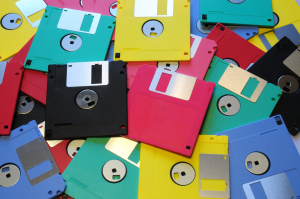
Invented at IBM in the late 1960s, floppy disks were the first mass-market, portable way to store and share computer files. From the 8-inch version to the ubiquitous 3.5-inch disks, these simple plastic squares transformed how people worked, learned, and played.
Key Takeaways:
Floppy disks stored between 100KB and 1.44MB—tiny by modern standards, but revolutionary at the time.
They enabled grassroots software development, home computing, and file sharing—spawning the “sneakernet.”
Students can physically handle a floppy, peer inside to see the magnetic platters, and understand the basics of data encoding.
Why Floppy Disks Make Fantastic STEM Lesson Starters?
Interdisciplinary Connections:
Engineering: Disassemble a disk to explore materials and mechanical functions.
Computer Science: Write simple programs to read/write disk data and discuss file system structure.
Physics: Demonstrate how magnetism stores information.
Social Studies: Investigate how floppy disks changed education, business, and culture worldwide.
The Modern Era: USB Drives, Cloud, and Beyond
Media Evolves: A Comparative Look
The jump from floppies to USB drives, then cloud storage, illustrates the exponential leap in data technology. Comparing these solutions isn’t just fun—it’s eye-opening for digital natives.
Modern Tech Examples:
USB Drives: Fits 1,000,000+ floppies in your pocket!
Cloud Storage: Instantly accessible, collaborative, and scalable for classrooms and businesses.
Lessons and Activities: Tech Time Travel in the Classroom
Sample Lesson Ideas
Floppy File Challenge: Try (and fail) to fit a selfie or modern document onto a floppy disk—an interactive way to visualize storage progress.
Tech Dissection: Take apart floppy disks, USB drives, and even old hard drives. Compare physical mechanisms.
Digital Archaeology: Task students to interview relatives about their first computer experiences—what was exciting, frustrating, or different back then?
Migration Demo: Attempt to move a file from a floppy to a modern device, tracking every conversion challenge and solution.
‘Then vs. Now’ Debate: Students argue the pros and cons of vintage vs. present-day storage, considering speed, reliability, and environmental impact.
Why These Activities Matter?
Hands-On Engagement: Physical interaction makes tech history memorable.
Problem-Solving: Encountering real limitations helps students understand why innovation happens.
Critical Thinking: Students must adapt, improvise, and research solutions—key skills for future STEM careers.
The Power of Blending Old and New in STEM
By placing a floppy disk next to a USB drive or cloud account, the classroom becomes a living timeline. Exploring these artifacts and their stories not only boosts engagement but also instills a respect for the creative thinking that drives continuous technological progress.
Key Benefits:
Reinforces the value of curiosity and experimentation.
Connects generations—students can relate to their parents’ or teachers’ early computing stories.
Cultivates digital citizenship by discussing security, privacy, and sustainability across eras.
Turning Nostalgia into Tomorrow's Inspiration
Comparing historical technology like floppy disks to today’s cutting-edge gadgets does more than revive classroom nostalgia—it creates active, mindful learners. These lessons merge STEM, history, and creative problem-solving, showing students the why behind the how of digital transformation. By looking back, we empower the next generation to boldly shape the future of technology.
Are you ready to energize your STEM curriculum with hands-on, historical tech comparisons?
Reach out for curated lesson kits, virtual demo days, or bespoke STEM workshops!
Explore our blog for the latest in tech ed, or connect with an EdTech specialist for practical tips on turning classroom nostalgia into future-ready learning.
Are you looking for Afterschool Programs or STEM camps or Robotic Clubs (VEX and First Lego League Clubs) in Eastside Seattle?
We have locations in Redmond, Newcastle, Klahanie, Bothell, Bellevue.
Join Steamoji Belred+ Today!
Summer camps in Redmond, Summer camps in Klahanie, Summer camps in Bellevue, Summer camps in Bothell, Summer camps in Newcastle.
Winter camps in Redmond, Winter camps in Klahanie, Winter camps in Bellevue, Winter camps in Bothell, Winter camps in Newcastle.
Spring camps in Redmond, Spring camps in Klahanie, Spring camps in Bellevue, Spring camps in Bothell, Spring camps in Newcastle.
coding camps in Redmond, coding camps in Klahanie, coding camps in Bellevue, coding camps in Bothell, coding camps in Newcastle.
game design camps in Redmond, game design camps in Klahanie, game design camps in Bellevue, game design camps in Bothell, game design camps in Newcastle.
afterschool program in Redmond, afterschool program in Klahanie, afterschool program in Bellevue, afterschool program in Bothell, afterschool program in Newcastle.


